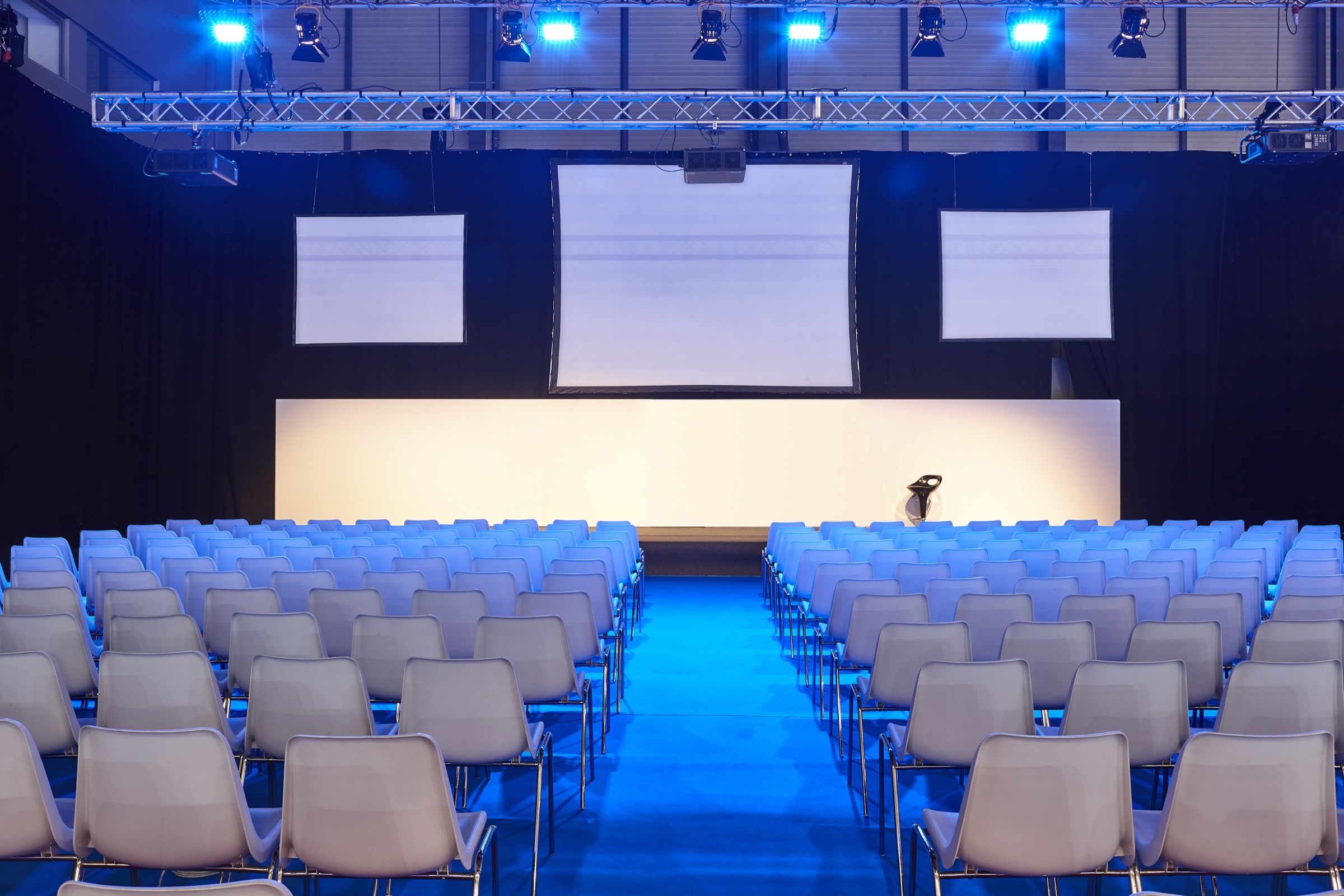
APASL 2026
By Buzzbox Media · Last reviewed August 3, 2026
Work with Buzzbox Media, a medical device and healthcare marketing agency.
What is APASL?
The single best venue to reach the Asia-Pacific hepatology community, a region with the world's highest HBV burden and rapidly growing NASH/MASH prevalence. Companies with a regional Asia-Pacific commercial strategy should prioritize this.
What are the key facts about APASL?
- Host organization: Asian Pacific Association for the Study of the Liver
- Primary specialty: hepatology
- Scale: mid
- Geography: Asia-Pacific
- International attendance: ~90%
- See all Gastroenterology conferences
Which device categories fit APASL?
Which buyer stages does APASL fit?
What does APASL charge for booth space?
Cost not published
Asian Pacific Association for the Study of the Liver does not publish booth pricing for APASL that we can link to, so we do not list a figure here. We would rather show nothing than an estimate you cannot check. Ask them directly on the APASL exhibitor page ↗.
Planning the APASL booth itself? Read our guide to medical conference booth design for booth types, union labor rules, and the corner upgrade.
Who attends APASL?
Asian Pacific hepatologists, with growing global participation. HBV is the dominant disease focus reflecting regional epidemiology.
- Purchasing authority: ~45% of attendees (Buzzbox Media estimate)
- Effective buyers: ~2,250 (Buzzbox Media estimate)
- International attendance: ~90%
Where is APASL held?
- Venue: Various Asian capitals (rotates)
- Management company: Varies by host country
- Product theater: Available
Who else exhibits at APASL?
Approximately 60+ exhibitors typically attend APASL. Your competitors are here.
Is APASL worth exhibiting?
Why Exhibit
The single best venue to reach the Asia-Pacific hepatology community, a region with the world's highest HBV burden and rapidly growing NASH/MASH prevalence. Companies with a regional Asia-Pacific commercial strategy should prioritize this.
Why Skip
Skip if your commercial strategy is purely US/Europe, APASL audiences are predominantly local-Asian and conversions require regional regulatory and distribution presence.
What should exhibitors know before APASL?
Logistics vary by host country. Budget extra for shipping, customs, and translation if needed. Korean and Japanese host cities tend to have stronger industry infrastructure than newer hosts.
What is the Buzzbox Score for APASL?
8.0 / 10 (Excellent)
8.0 out of 10. A top-tier show worth a serious line item. Carried by growth trajectory (8.5: mid-size with room to grow and growing year over year). The lightest dimension is editorial value (7.0, "who should skip" note included). The single best venue to reach the Asia-Pacific hepatology community, a region with the world's highest HBV burden and rapidly growing NASH/MASH prevalence.
How we score
Six weighted factors, each scored on a 0 to 100 rubric then normalized to a 7.0 to 10.0 band. Every show on this list cleared a relevance bar to be included, so 7.0 is the floor; the number tells you how far the leaders pull ahead. A factor we cannot source is left unscored rather than estimated, and the overall score above was set before any figure behind it was withdrawn.
Strong (8.2): 45% purchasing authority (moderate, Buzzbox Media estimate) and 83:1 attendee ratio.
Not scored on cost: this organizer publishes no booth price we can link to.
Solid (7.6): exhibitor count disclosed, and attendee purchasing-authority data published.
Strong (8.0): managed by Varies by host country, non-union venue (simpler, cheaper move-in), and product theater / demo stage available.
Solid (7.0): "who should skip" note included, product-theater opportunity for thought leadership, and fits multiple buyer-journey stages.
Strong (8.5): mid-size with room to grow and growing year over year.
When are the APASL exhibitor deadlines?
Detailed deadlines not yet published for APASL. Check the official site for the application window.
Frequently Asked Questions
How much does a booth cost at APASL?
APASL does not publish booth pricing we can link to, so we do not list a cost for this show. Rather than estimate one, we point you at the organizer's exhibitor page to request current rates directly.
How many people attend APASL?
APASL draws approximately 5,000 attendees. Asian Pacific hepatologists, with growing global participation. HBV is the dominant disease focus reflecting regional epidemiology.
When and where is APASL 2026?
APASL 2026 takes place March 25-29, 2026. The venue is Various Asian capitals (rotates). Asian Pacific Association for the Study of the Liver hosts the meeting.
How many APASL attendees have purchasing authority?
About 45% of APASL attendees hold purchasing authority (Buzzbox Media estimate), which works out to roughly 2,250 effective buyers (Buzzbox Media estimate) out of approximately 5,000 attendees. Effective buyers multiplies total attendance by the share of attendees who hold purchasing authority. Both inputs are estimates drawn from organizer reporting and our own exhibitor research, so read the figure as directional rather than exact.
Who exhibits at APASL?
Approximately 60+ exhibitors typically attend APASL. The device categories that fit this floor are diagnostics and digital health.
How does Buzzbox Media score APASL?
APASL carries a Buzzbox Score of 8.0 out of 10 (Excellent), with one caveat on this record: cost efficiency is not scored, because Asian Pacific Association for the Study of the Liver publishes no booth price we can link to, and the overall score was set before that figure was withdrawn. The factors still scored are audience quality, data transparency, exhibitor experience, editorial value, and growth trajectory. Each factor is scored on a 0 to 100 rubric then normalized to a 7.0 to 10.0 band, and every conference in our index cleared a relevance bar to be listed, so 7.0 is the floor. On this record the highest is growth trajectory at 8.5 and the lowest is editorial value at 7.0.